Food Is Medicine Conference 2026: A Vision Worth Fighting For
"This is a vision worth fighting for." - Lieutenant Governor Kyle Evans Gay, State of Delaware
Those words, shared during the Food Is Medicine Conference (FIMCON) 2026, perfectly captured the energy of the Food Is Medicine (FIM) movement.
Over two days in Washington, D.C., Hungry Harvest gathered with more than 200 other attendees to explore the growing evidence that nutrition interventions, including medically tailored meals, produce prescriptions, and nutrition education, can improve health outcomes and reduce healthcare costs.
The conference opened with powerful stories from lived experience experts whose lives have been transformed through FIM programs.
One speaker challenged attendees to make 2026 "the year medically tailored meals, medically tailored groceries, and produce prescriptions become a standard of care." Throughout the conference, presenters emphasized that FIM programs are no longer theoretical concepts. Research continues to demonstrate improvements in food security, diet quality, produce consumption, healthcare utilization, and participant satisfaction.
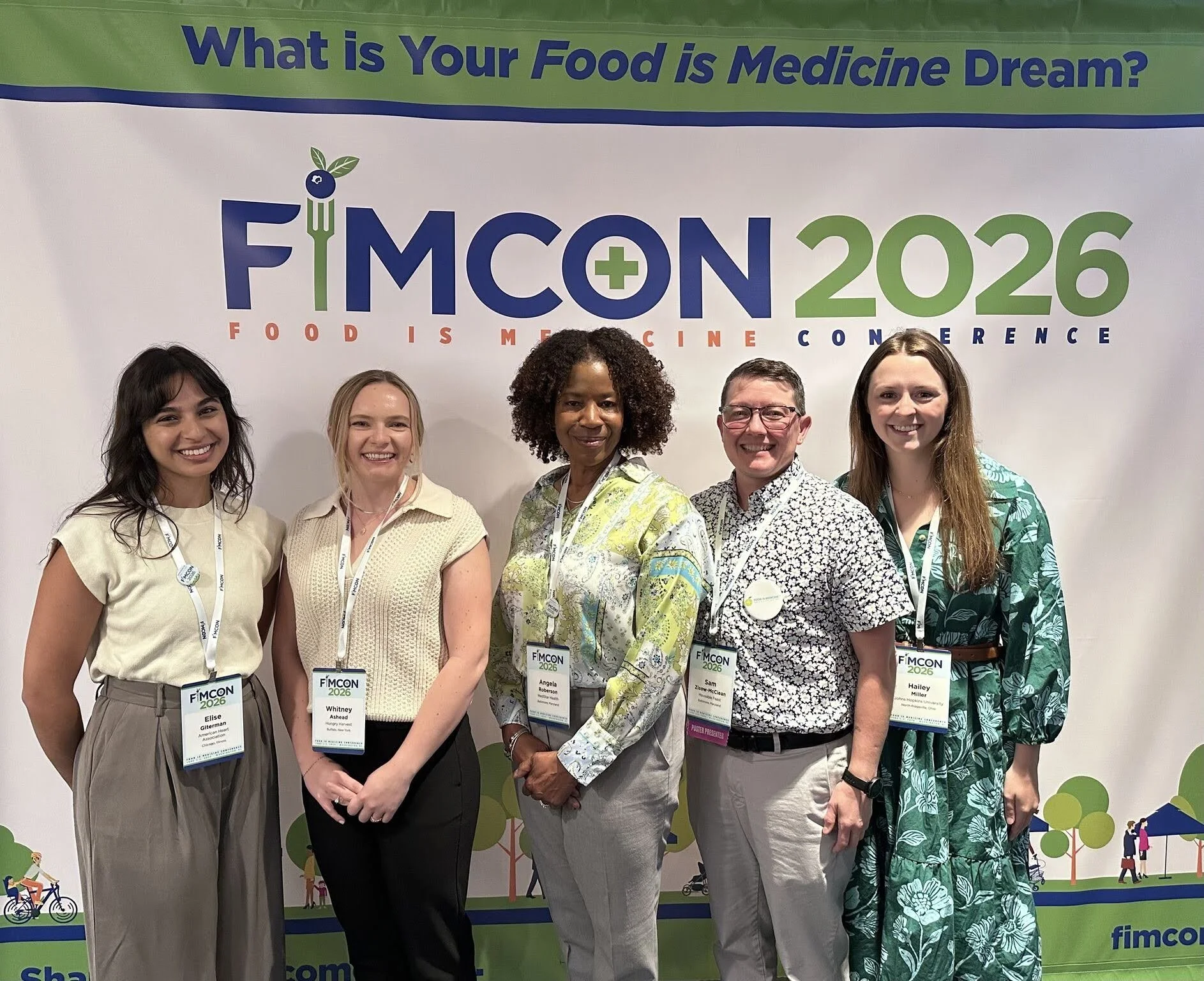
One of the strongest themes throughout the conference was the importance of partnership. Presentations highlighted how Community Health Centers across the country are increasingly screening patients for food insecurity and integrating FIM interventions into care. Speakers stressed that sustainable change requires healthcare providers, community-based organizations, food providers, insurers, researchers, and policymakers all working together.
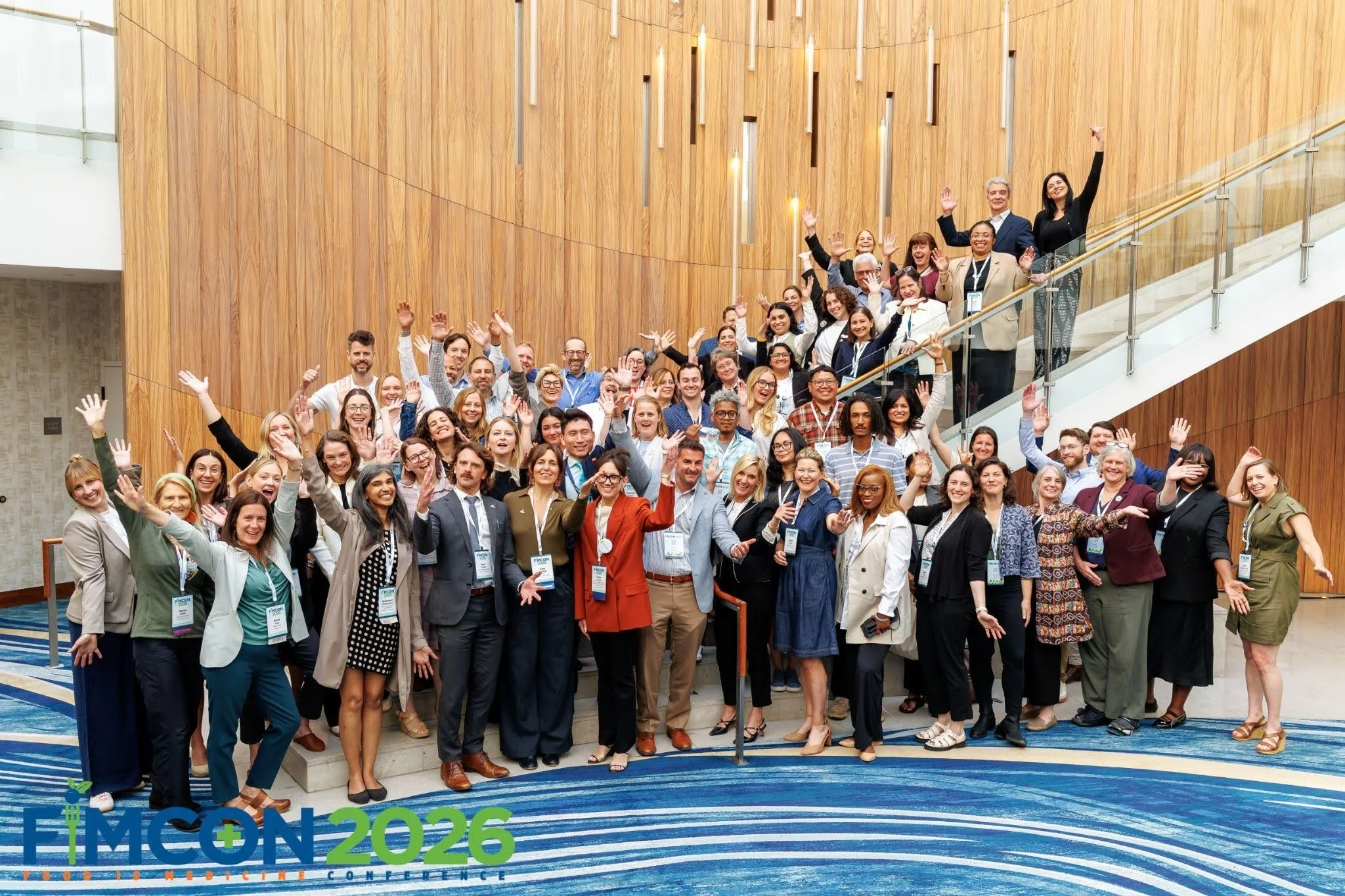
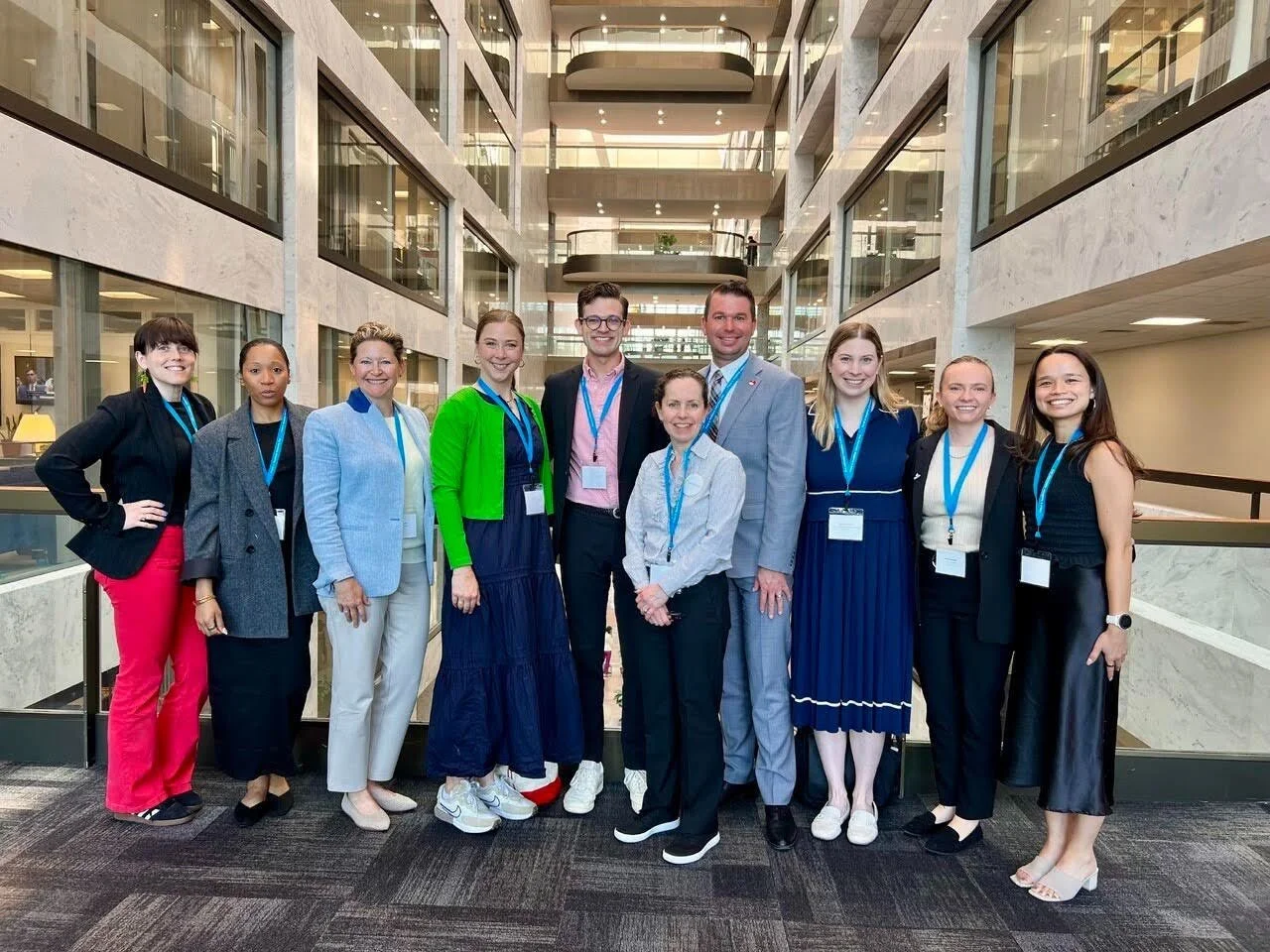
Group Photo of the National Produce Prescription Collaborative (NPPC) where Hungry Harvest is a member organization advocating for the integration of produce prescriptions into mainstream healthcare.
The conference reinforced an important lesson: outcomes do not happen overnight. They are built through trust, collaboration, and a willingness to learn from both successes and failures. Strong partnerships and open communication remain at the center of creating lasting change. We were reminded that stronger communication leads to stronger trust and that true success comes from bi-directional learning between organizations and the communities they serve.
Another powerful session focused on behavioral science and human-centered design. Attendees explored how even the most well-intentioned FIM program can miss its mark with their audience if communication is not designed with participants in mind. Presenters discussed how branding, messaging, incentives, and outreach strategies can dramatically impact participation and engagement.
The takeaway was simple: programs work best when they are built around the people they are intended to serve.
Taking the Message to Capitol Hill
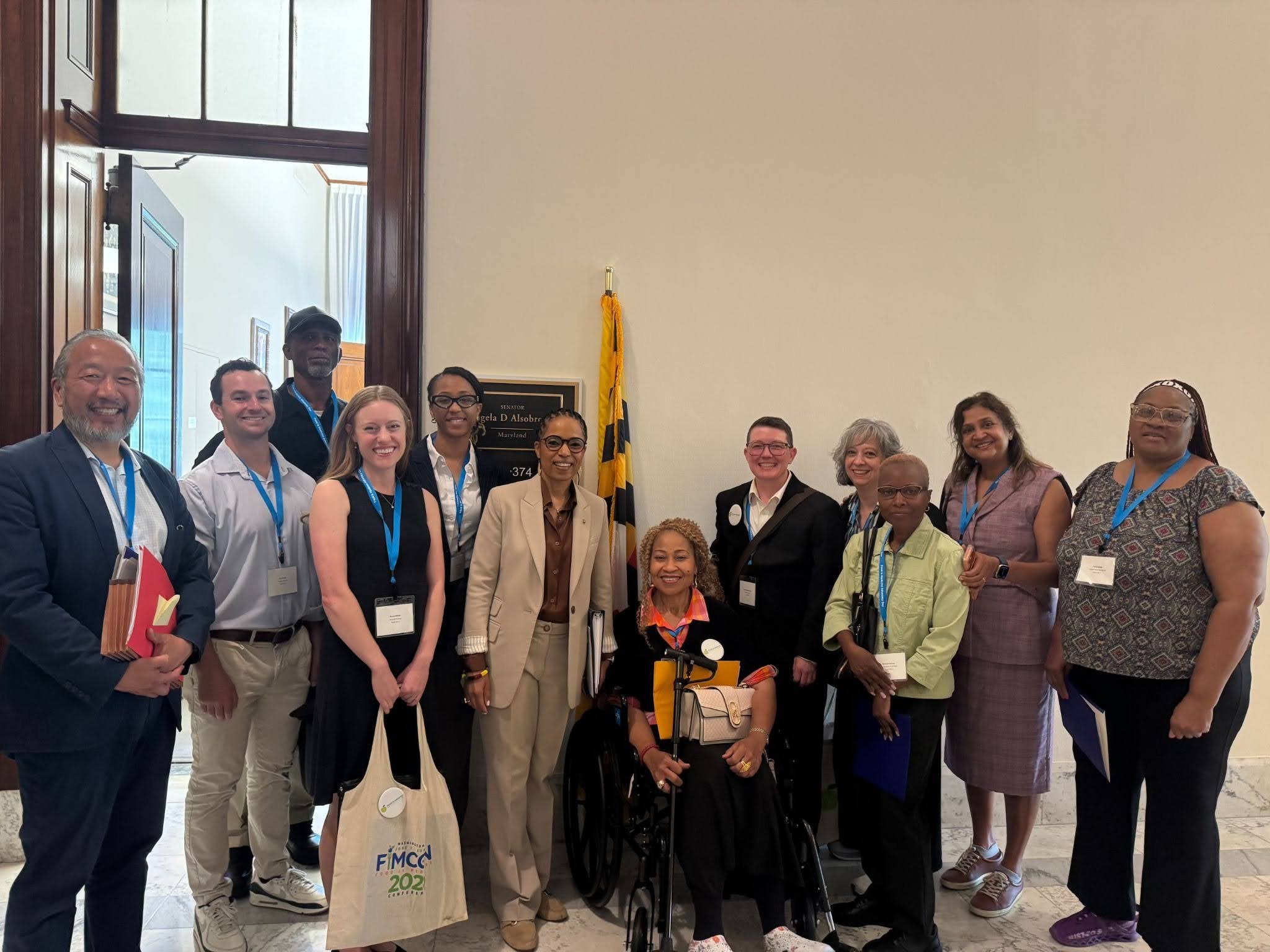
Following the conference, Hungry Harvest participated in FIMCON Advocacy Day on Capitol Hill, meeting with Maryland and New York lawmakers to discuss the Medically Tailored Home-Delivered Meals Program Act and the growing role of nutrition in healthcare.
During these meetings, we spoke about the importance of advancing the Medically Tailored Home-Delivered Meals Demonstration Program Act and the transformative impact it could have on individuals, families, and communities experiencing food insecurity and chronic disease.
As Representative Jim McGovern, a co-sponsor of the legislation, stated, "We need to put our money where our rhetoric is."
As we left Washington, D.C., our team felt inspired, encouraged, and more committed than ever to advancing food access and health equity through strong partnerships and innovative solutions.
At Hungry Harvest, we know that FIM is about much more than delivering food. It is about creating systems that support long-term health, dignity, and opportunity. It is about building networks of trusted partners. It is about listening to communities. And it is about focusing on solutions that help people live healthier lives.
The FIM movement continues to gain momentum, and if FIMCON 2026 showed us anything, it is that the future of healthcare must include food. We are proud to be part of that future.
Also view the Food is Medicine Toolkit.