Hungry Harvest at Capitol Hill
Exploring the Latest Science Behind Food is Medicine
The conversations happening on Capitol Hill reinforced what we see every day: access to nutritious food plays an important role in improving health and supporting stronger communities.
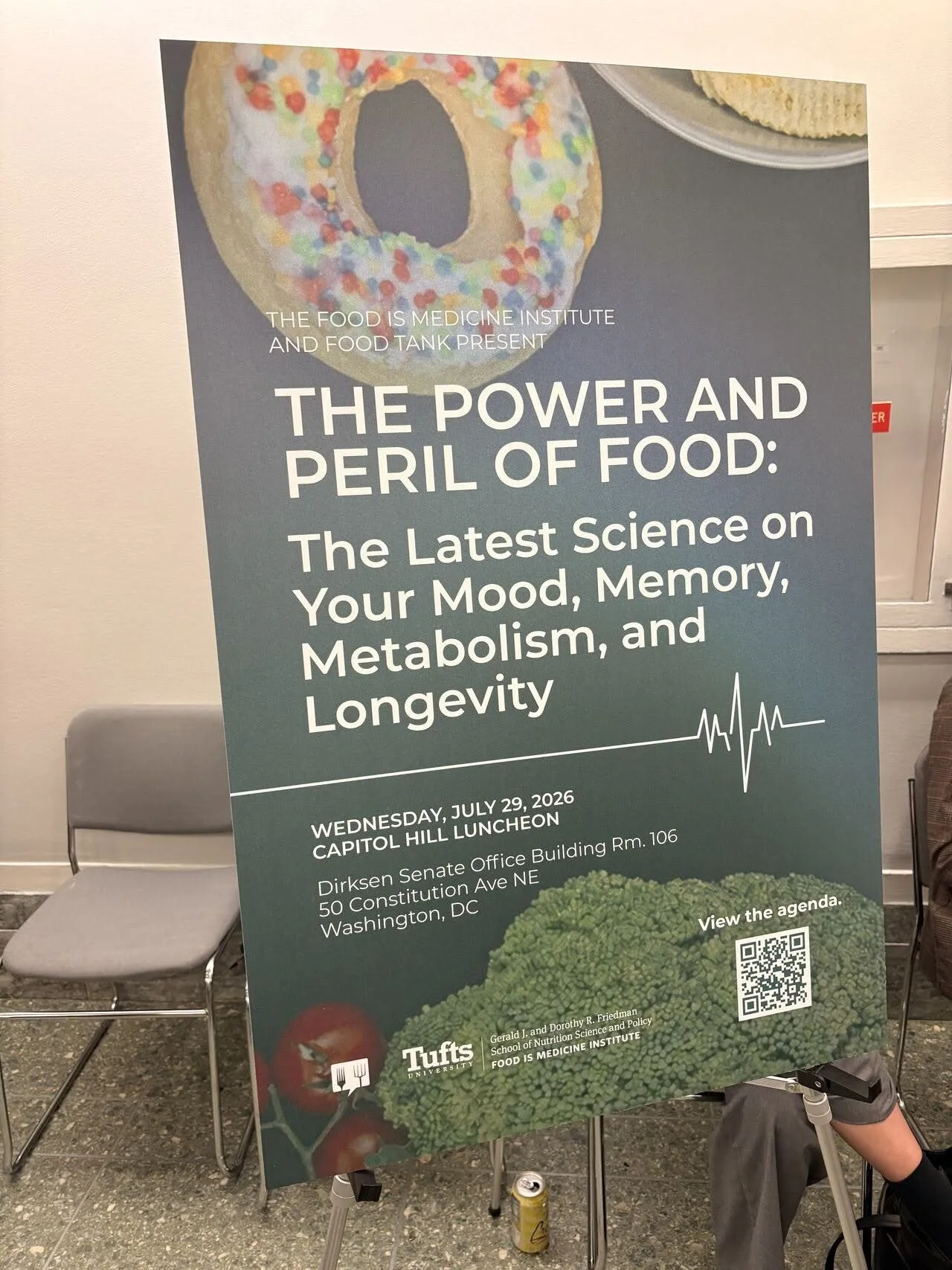
On July 31, Hungry Harvest had the opportunity to attend "The Latest Science on Your Mood, Memory, Metabolism, and Longevity" on Capitol Hill. As someone who works alongside healthcare organizations and community partners every day, I appreciated hearing researchers, physicians, policymakers, advocates, and representatives from community organizations discuss the growing role of nutrition in healthcare.
What stood out to me was how much the conversation around Food is Medicine has shifted from a promising idea to an area of growing scientific evidence over the past couple of years as the room was packed.
Throughout the event, speakers discussed research on the connection between nutrition, chronic disease, inflammation, cognitive health, and mental health. They also emphasized that while evidence continues to strengthen, there is still an urgent need for additional research, particularly around ultra-processed foods.
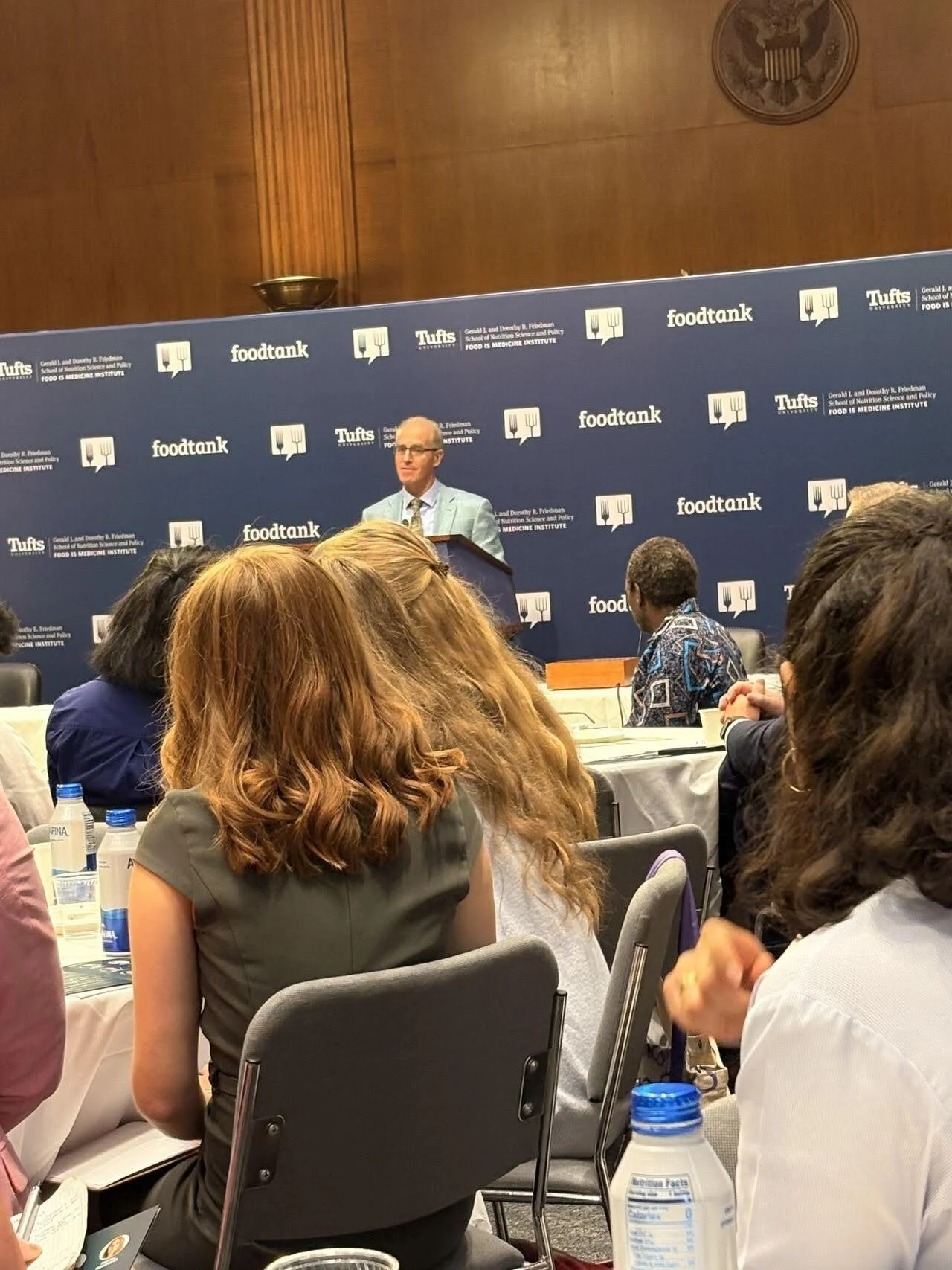
During a fireside chat with U.S. Senator Roger Marshall, there was meaningful discussion about the fact that approximately 60% of the American diet consists of ultra-processed foods. Speakers discussed how these foods may contribute to chronic inflammation, obesity, diabetes, cardiovascular disease, and mental health conditions, while also raising questions about whether healthier formulations and changes in food manufacturing could help reduce some of these risks.
Mental health was another important part of the conversation. There is growing evidence that nutrition affects not only physical health but also mood, memory, and overall brain function. Several studies have demonstrated that improving diet can significantly reduce symptoms of depression when combined with appropriate medical care. As our country continues to face a youth mental health crisis, understanding how nutrition supports emotional well-being represents an important area for future research.
The event also highlighted the importance of education.
Dr. Uma Naidoo shared that she received more nutrition education in culinary school than she did during medical school. That really stood out to me. Healthcare professionals are often on the front lines of helping patients make healthier choices, yet many receive limited nutrition education during medical training. The conversations around nutrition counseling, nurse coaching, and lifestyle medicine also reinforced something we see in our own work: giving people information is only part of the equation. People also need support and access to resources that make healthier choices possible.
These conversations closely align with the work we continue to strive to do at Hungry Harvest.
Hungry Harvest partners with growers and distributors to rescue high-quality fruits, vegetables, and groceries that would otherwise go to waste. Through our Social Impact Department, we work alongside more than 180 community organizations, hospitals, schools, institutions, and local governments to improve food and nutrition security while reducing food waste. Since 2016, we've helped support an estimated 500,000 households while rescuing more than 27 million pounds of food.
Our partnerships are built on a simple belief: increasing access to nutritious food should be paired with listening, learning, and continuously improving. Every community has unique needs, and we remain committed to working alongside our partners to strengthen programs that create dignified access to healthy food.
As the Food is Medicine movement continues to evolve, organizations like Hungry Harvest have an important role to play by translating research into action and ensuring families can access fresh, nutritious foods in their communities.
We were grateful to be part of the conversation and to hear from people who are continuing to push the research and thinking around Food is Medicine forward. For us, the takeaway is simple: the science matters, but so does making sure people can actually access the food that supports their health. At Hungry Harvest, we’re proud to be part of that work, partnering with communities and healthcare organizations to help make nutritious food more accessible to the people who need it.